How Stress and Environment Influence Eczema Symptoms
- posted: Dec. 15, 2025
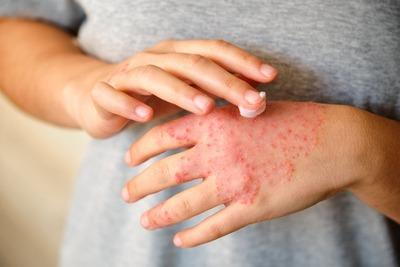
Life with eczema is a balancing act at times, one minute your skin is harmless and easy to deal with, the next day, you see an eruption of the condition coming out of nowhere. Genetics are indeed a factor, but two factors that are mostly influential in the severity or frequency of these flare-ups are stress and environmental stimuli. We, at Heights Dermatology, are often exposed to the effects of these factors on all age groups of patients and it is one of the main steps for proper eczema treatment in Houston.
Below we will discuss how environmental factors and stress affect eczema, and why the condition increases, and what you can do to maintain your skin in better health, even though you or your child lives with atopic dermatitis.
Explaining the Relationship between Stress and Eczema.
Stress is a normal aspect of everyday living but to individuals with eczema, it may cause severe physical symptoms. Even the slightest form of stress may lead to the release of cortisol, also known as the stress hormone, and this interferes with the skin mechanism of retaining water and repelling any irritant.
Why Stress Triggers Eczema Flare-ups.
As the stress level increases so does your immune system. In the case of eczema patients, there is increased response that may result in:
Increased inflammation
Intensified itching
Skin barrier disruption
Slower healing
The fact is that most of the patients have claimed that their flare-ups are as a result of a stressful incident immediately after work, school, emotional strain or sleep deprivation.
The Itch-Scratch Cycle
Stress does not only cause eczema but it can also worsen itchiness. This causes what dermatologists calls itch-scratch cycle:
Stress causes itching
Scratching is a cause of irritation of the skin.
Inflammation of the irritated skin takes place.
The greater the inflammation, the greater is the itching.
It is important to break this cycle and in most cases a combination of eczema skincare, behavioral techniques and appropriate medical attention is required.
How Environmental Factors Affect Eczema.
Whereas stress is an internal factor, the environment is a significant external factor of atopic dermatitis. Sensitive skin can be irritated even by minor variations in the weather, pollution or allergens.
Examples of Common Environmental Triggers are:
Dry air, more particularly in winter.
Sweating caused by heat and humidity.
Dust mites and pollen
Harsh soaps or detergents
Air pollution and smoke
Pet dander
Rough fabric, such as wool.
Due to the skin barrier being damaged by eczema, environmental particles can easily enter the skin causing inflammation and eczema flare ups.
The Weather Connection
One of the largest environmental factors in the eczematous symptoms are seasonal changes:
Winter: Winter is very dry with low humidity which dries up the skin.
Summer: Heat and sweat cause irritation.
Spring/Fall: It is the period of increased pollen, which leads to allergy.
That is why your treatment plan for atopic dermatitis requires changes throughout the year.
Eczema in Children: The Environmental Issue is More Important.
The children are particularly susceptible to environmental triggers. Their skin barrier is still developing making it more sensitive to:
Cold weather
Fragranced products
Dust
Food allergens
Fabric textures
These triggers are vital to families that are going through the process of administering eczema treatment for children. The flare-ups can be observed by many parents as their child starts daycare or school, they may be connected with the new stressors or exposure to new settings.
Such basic measures as hypoallergenic laundry detergents, keeping the house well humidified, and choosing the soft cotton clothing can do wonders.
Stress Management to Reduce Eczema Symptoms.
Improving your stress levels does not only help your state of mind get better but it has been shown to make your skin improve as well.
Helpful Stress-Reduction Techniques Include:
Deep breathing exercises
Meditation or mindfulness
Regular sleep routines
Gentle physical activity
Journaling
Restricting emotional triggers.
Positive coping mechanism for children.
Even small daily habits can promote changes in the skin over time.
Environmental Tips to Take Care of Sensitive Skin.
Due to the ubiquity of environmental triggers, long-term control of eczema is significant by making skin-friendly lifestyle modifications.
Ensure appropriate hydration and moisture.
Apply thick moisturizers or ointments every day for your eczema skincare routine. The skin should be hydrated to reinforce the natural barrier and reduce the flare-ups.
Choose Fragrance-Free and Gentle Products.
The irritants are soaps, shampoos, and detergents containing fragrances or hard chemicals. Select dermatologist approved formulas for sensitive skin.
Adjust Indoor Air Quality
Humidifiers will provide hydration to dry air and make the skin hydrated. It is also advisable not to smoke or have dust and strong odors in the indoor environment.
Wear Skin-Friendly Fabric.
Soft cotton is ideal. Do not use wool, polyester blends and coarse fabrics that cause friction.
Manage Sweating
Sweat can trap bacteria and irritate the skin. After an exercise, wash and moisturize the skin softly to avoid flare ups.
Medications Help you Stay Ahead of the Symptoms.
Environmental adjustments and stress management are effective, but medical intervention is frequently required to manage eczema fully.
At Heights Dermatology, the individualized eczema treatment plans are aimed at preventing the cause of your flare ups.
The possible treatment can include:
Prescription oils and barrier creams.
Topical steroids or creams (non steroidal).
Antihistamines for severe itching.
Light therapy (phototherapy)
Long term management of chronic cases.
Allergy testing to determine environmental triggers.
In the case of young patients, our experts offer effective, gentle eczema treatment for children that focus on safety and comfort.
When care is perfectly combined, the majority of patients will experience a tremendous change in quality of life and symptoms.
When Should you Seek Professional Help?
In case eczema is affecting sleep, daily comfort, performance at school or emotional stability, then it is time to visit a dermatologist.
You would need to make an appointment in case you notice:
Frequent flare-ups
Bleeding, cracked or infected skin.
Problem with locating efficient over-the-counter products.
Worsening symptoms as a result of weather or stress.
Unimproving childhood eczema.
The sooner the intervention, the better outcomes in the long run.
Take Control of Your Skin at Heights Dermatology in Houston
It is taking care of your skin and yourself in general to deal with eczema. Stress and environmental influences can be too much but with the appropriate blend of medical attention, lifestyle changes and preventive habits, one is likely to get long-term relief.
We develop effective treatment plans at Heights Dermatology which assist in all aspects of your process, including the advanced atopic dermatitis treatment and continuous eczema skincare for both adults and children.
Contact Heights Dermatology to schedule your appointment and receive qualified and compassionate attention toward your skin.