When Should Children Get Skin Allergy Testing?
- posted: Dec. 01, 2025
It is a fact that allergies are becoming very common in children and in most cases symptoms like rashes, itching, hives, sneezing or even stomach aches can be worrying to the family. In cases where these symptoms persist, a test on skin allergy is usually prescribed by doctors to determine what triggers your child's reactions. However, the question remains with many parents: at which age should a child get an allergy skin test?
Heights Dermatology is aware of the fact that the comfort and health of your child are a parent’s highest priority. This guide will make you realize when testing should be considered, what the process should look like and how early diagnosis may make a big change in the wellbeing of your child.
What Is Skin Allergy Testing?
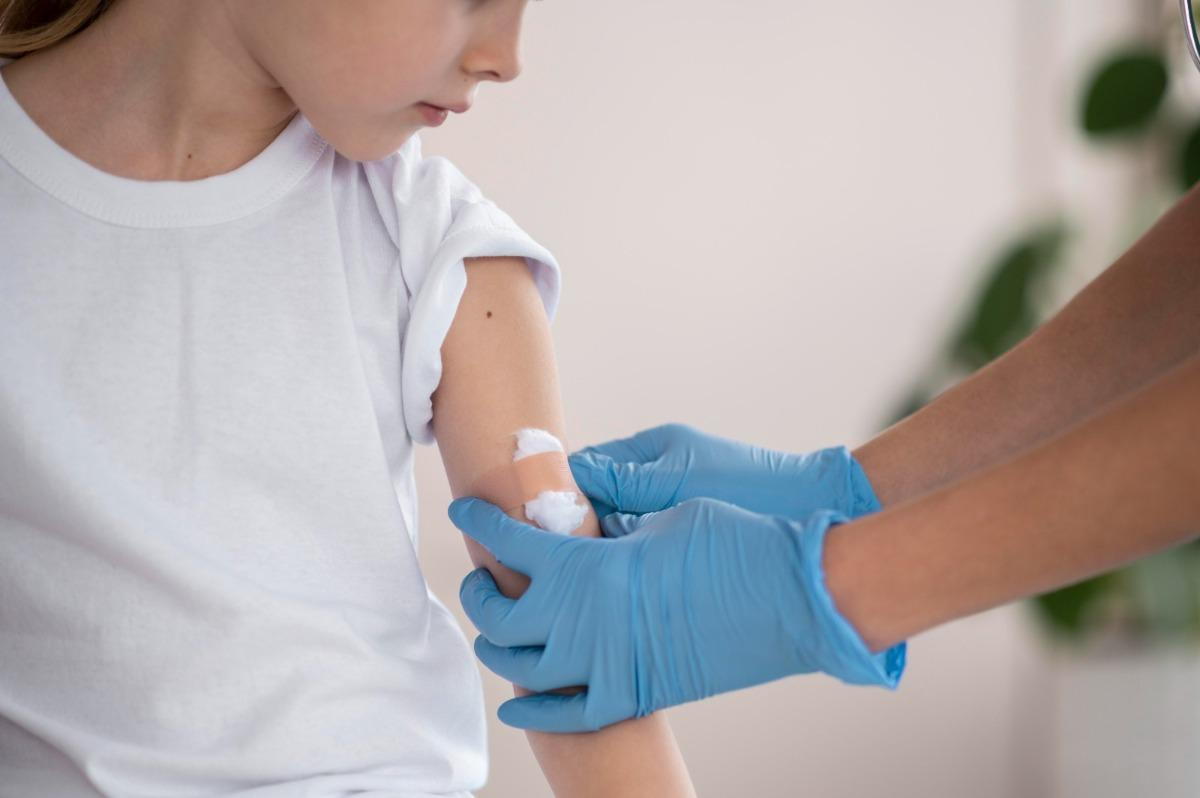
An allergy skin test or skin allergy testing is a quick and efficient technique that a physician will depend on to identify what substances (allergens) trigger the onset of an allergic reaction. The most frequently used one is the skin prick test that consists of applying small doses of allergens on the skin, such as the forearm or the back and pricking the surface very lightly.
In case your child is allergic to a certain substance, within 10-15 minutes a small red bump will appear. The test is rapid, not very painful, and very useful when developing a personalized treatment plan
What Age Should Children Get Skin Allergies Testing?
The time of the day when children should undergo skin allergy testing is also determined by the symptoms of skin allergy, age, medical history and severity of the reactions. The following are instances where testing is very essential:
1.When Symptoms Persist or Progress.
- When your child has often experienced:
- Chronic or recurring rashes
- Itchy skin
- Eczema flare-ups
- Hives
- Congestion in the nose, sneezing or itchy eyes.
- Environmentally induced symptoms of asthma.
..perhaps it is time to consider an allergy skin test.
Children who do not respond well to over the counter lotions, creams or antihistamines benefit from early skin allergy testing for exact triggers are identified and avoided.
2.Once Eczema Becomes Uncontrollable.
Children with eczema (atopic dermatitis) are at a higher risk of having environmental or food allergy as well. When the eczema of your child becomes chronic or severe, to identify the cause of the exacerbation, the allergy test of the skin may be conducted to examine if it is as a result of common allergens such as dust mites, pollen, pet allergy, or food.
Test results assist dermatologists in developing a unique treatment plan that minimizes irritation and enhances the health of the skin in the long-term.
3.Following Unexplained Skin Reactions.
Evaluation should be carried out in case of any sudden reactions such as hives, swelling, or red patches not traceable to a clear cause. Children sometimes react to detergents, soaps, lotions, sunscreen or fabrics. A skin test is done to ascertain these irritants accurately.
When the reactions of your child occur after playing outside, sleep or a new skincare product, the test will create clarity and peace of mind.
4.Suspected Respiratory Allergies.
If your child has persistent stuffiness of the nose, sneezing, coughing, or wheezing, in particular, during some seasons, environmental allergen testing can be required. The skin prick test rapidly determines the presence of pollen, mold, or pet dander as causes of the symptoms.
Early testing will enable the parents and doctors to stop the symptomatic behavior escalating to chronic allergies or asthma.
5.After Reaction to a Specific Food.
Allergic reactions to food may be terrifying, particularly in cases of a child. If your child has experienced some of the following symptoms after consuming certain foods:
- Hives
- Swelling
- Itching
- Vomiting
- Stomach cramps
- Shortness of breath (seek immediate emergency care)
…an allergy test may be suggested by your dermatologist or pediatrician. Although food allergy diagnosis can also involve blood testing or supervised oral challenge, the skin allergy test for children usually has a significant contribution in the overall evaluation.
6.Allergies in the Family History of Your Child.
Allergies are usually family hereditary. Your child has a higher chance of developing asthma, eczema, hay fever, or food allergies in case you or other close relatives have them.
There is no need to wait until the symptoms get severe to do testing. Early diagnosis enables families to implement preventative measures to limit the exposure of allergens at home.
Appropriate Age for Skin Allergy Testing in Children.
Parents are shocked to hear that even children as young as 6 months old can be subjected to some form of allergy testing. Most of the skin prick tests are however done after the age of 2 or 3 when the test results are more precise.
Nevertheless, children of any age may be tested in case the symptoms are severe or chronic. Dermatologists and allergy specialists evaluate each child individually to determine the best approach
Is Skin Allergy Testing for Children Safe?
Absolutely. Skin prick test is said to be safe, minimally invasive, and a highly effective test on children. The little prick does not make the blood flow and it is like a tiny poke or a scratch.
The reactions in testing are generally mild and temporary. Serious reactions are very uncommon and are continuously observed by the medical practitioners.
What Are the Parents’ Expectations During the Test?
The following is what normally occurs during a skin allergy testing appointment:
- Consultation: A dermatologist looks into the symptoms of your child and his past medical history.
- Allergens Application: Droplets of various allergens are applied on the skin of your child.
- Light Prick: It is a small tool that pricks the skin with every spot of the allergen.
- Observation: The doctor observes the skin after 10-15 minutes.
- Results: You will see the results instantly, and the dermatologist will provide you with the interpretation of each of the reactions.
The majority of the appointments last less than 30 minutes.
Advantages of Early Skin Allergy Testing for Children.
There are numerous benefits associated with early testing, and they are:
- Reduced flare ups of the eczema, rash, or hives.
- Improved management of asthma-like symptoms.
- Better sleep because of lesser itchiness and congestion.
- More useful skin care routines for your kid.
- Convenience in avoiding triggers at home, school or daycare.
- Introduction of foods in a safer manner in case food related issues are suspected
The earlier the diagnosis is made the earlier your child can start to feel better.
Where do I Find an Allergy Testing Near Me
In case you have been searching for allergy testing near me, Heights Dermatology provides comprehensive testing for children of all ages. Our experts highly apply the latest diagnostic equipment to provide precise outcomes and develop effective personalized treatment plans.
We offer child friendly treatment, effective communication, and gentle care to ensure the experience is stress-free.
Are you Ready to Help your Child Feel Better?
At Heights Dermatology, we enable families to take charge of allergy symptoms through professional skin allergy testing in Houston, including the highly effective skin prick test. Whether your child is experiencing skin problems, has had some unexpected reactions, or his/her allergy signs and symptoms are recurring, early testing can be a relief and can shed some light on the matter.
Call today to schedule your child's appointment or pay us a visit when you book your consultation online. Allow us to help your child breathe better, sleep better and live a better, more comfortable life.