What is the Life Expectancy for Psoriasis?
- posted: Nov. 12, 2025
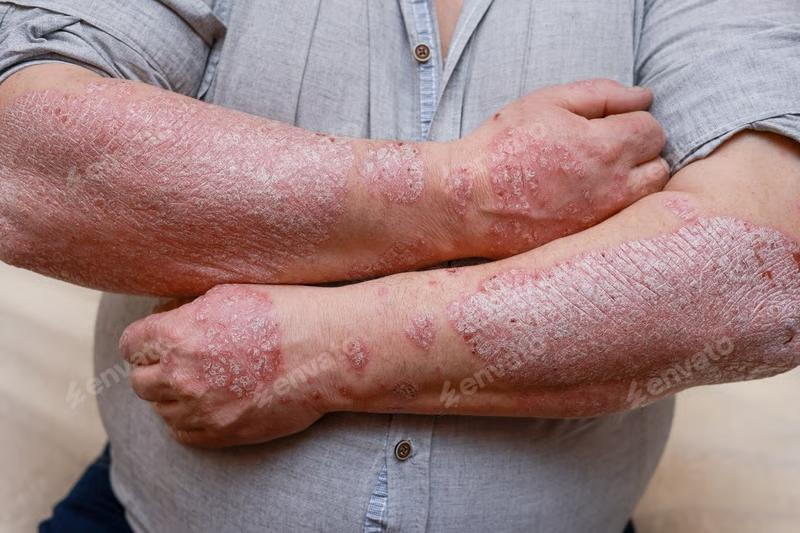
Psoriasis is not just a skin condition but it is a long-term inflammatory disorder that affects millions of people worldwide. Although it can have deep-rooted implications on health and lifespan, psoriasis can also manifest itself on the surface of the skin, and its appearance may be of red and scaly nature. Several individuals with the condition pose one question: Does psoriasis reduce life expectancy? The answer is delicate, yet the positive aspect is that, through proper management of psoriasis, proper lifestyle, and regular checkups with the dermatologists, many individuals with psoriasis can live long and joyful lives.
At Heights Dermatology, we believe the first step towards controlling your skin condition is to know what is wrong with it. Let us have a closer look at how psoriasis may affect life expectancy and what you will be able to do to remain healthy and confident at all life stages.
Understanding Psoriasis
Psoriasis is an autoimmune condition whereby the immune system reacts by overstimulating the rapid cell turnover of the skin resulting in thick scaly patches on the skin which may be located anywhere in the body. Plaque psoriasis is the most frequently occurring form but the other forms of psoriasis like guttate, pustular, inverse and erythrodermic psoriasis are also possible.
The condition is usually prone to a recurring pattern of flare-ups and remission which is mostly influenced by stress, infections, cold weather, some medications, and skin injuries. Although psoriasis is not contagious, it can be persistent in severe cases.
Does Psoriasis Impact on Life Expectancy?
The answer is simple: psoriasis does not reduce the life expectancy for the majority of people. Nonetheless, serious or poorly managed psoriasis may predispose to a number of major health conditions (comorbidities) that may affect the general lifespan.
Cardiovascular Disease
Individuals with moderate to severe psoriasis are at a risk of developing heart disease, high blood pressure and stroke. Psoriasis chronic inflammation may also increase the accumulation of arterial plaque (atherosclerosis), which increases the risk of cardiovascular occurrence.
Metabolic Syndrome
Psoriasis has been associated with the metabolic syndrome which is a combination of conditions that include obesity, insulin resistance, and high cholesterol. Together, they make one more prone to diabetes and heart disease, two issues that may have an effect on life expectancy.
Psoriatic Arthritis
Psoriatic arthritis is an inflammatory joint condition that may develop in up to 30 percent of psoriasis patients, which results in pain, stiffness, and disability in the long-term. Psoriasis medications can help a lot in the case of an early diagnosis.
Mental Health Disorders
Social stigma or discomfort combined with chronic skin inflammation may cause depression and anxiety. Mental health issues might not have a direct impact on reducing life expectancy, but can influence lifestyle habits, medication compliance and overall wellness.
Liver and Kidney Disease
Some medications used to treat psoriasis, in particular systemic ones, may have an overtime burden on the liver or kidneys. Our dermatologists regularly monitor and professionally control your treatment so that it is safe, effective and meets your needs.
What Studies Say About Longevity and Psoriasis.
Some studies have been conducted to find the influence of psoriasis on life expectancy. Studies have shown that patients with severe psoriasis have a slightly reduced lifespan, around 4-5 years shorter than the general population. But this decrease is mainly related to untreated or poorly managed disease and health related complications.
With modern ways of treating psoriasis today, such as biologics and phototherapy for psoriasis, patients have a chance to manage inflammation, decrease the number of flare-ups, and lower risk of related health complications. It is to say that the gap in life expectancy is still shrinking as people are being educated and taken care of.
Ways Proper Psoriasis Treatment Can Improve Quality and Length of Life.
The most important ingredient of long and healthy life with psoriasis is regular treatment and prevention. Here is how:
Modern Inflammation Medications.
The development of new psoriasis treatment, in particular, the biological therapies, has enabled dermatologists to target particular parts of the immune system that cause inflammation. By reducing systemic inflammation, these treatments do not only clear the skin but also reduce the possibility of heart diseases and other systemic complications.
Obtaining the Power of Phototherapy.
Phototherapy for psoriasis can be applied by using regulated amounts of natural or artificial ultraviolet (UV) light which can slow down the growth of cells in the skin and help reduce skin inflammation. It is a safe and time tested way of treating moderate to severe psoriasis, especially in cases where topical treatment is not effective.
Optimizing Psoriasis Skincare.
A regular psoriasis skincare is necessary for comfort and protection. Dryness, flaking and irritation are taken care of with the help of moisturizers, gentle cleansers, and medicated creams. Routine care also boosts effectiveness of medical treatment and helps in long term remission.
Lifestyle Changes to Live Longer.
Healthy lifestyle contributes significantly in reducing the risk of comorbidities. The following are some of the basic but effective habits of psoriatic patients:
Eat an anti-inflammatory diet: Pay attention to foods and vegetables, lean protein products, and omega-3 fatty acids.
Be active: Regular exercising reduces stress and improves cardiovascular health.
Stop smoking and alcohol reduction: Both are likely to lead to cardiovascular risks and trigger flare-ups.
Manage stress: Meditation, yoga, and therapy can be used to reduce emotional triggers.
Undergo frequent checkups: Preventive measures can be detected early, and the corresponding health conditions can be more effectively treated.
Psoriasis in Children: A Life Long Process.
Psoriasis does not only occur in adults but may also start at childhood. Compassionate psoriasis treatment for children and timely intervention can help prevent future long-term complications and increase self-esteem. Dermatological care for pediatric patients is highly beneficial as it entails mild skincare procedures, specific treatments, and regular checkups.
At Heights Dermatology, our specialists will provide individualized care for children with psoriasis, and families will learn about triggers, create healthy habits and prevent the onset of a condition before it starts.
Living Well with Psoriasis
Psoriasis is a chronic condition but it is not a life-determiner nor is it a life-limiting factor. Most patients will have clear skin, less inflammation, and a great quality of life with the current advanced psoriasis treatment in Houston. Frequent visits to your dermatologist mean that your treatment routine would change in accordance with your needs, dealing with flare-ups early and sustaining long-term control.
Untreated psoriasis may not only leave an imprint on your skin, but on your whole body. Comprehensive care, including pharmaceutical and phototherapy for psoriasis, as well as proper psoriasis skin care, make you both healthy and beautiful.
When to See a Dermatologist
It is time to visit a dermatologist if you notice scaly patches, joint pain, or worsening of symptoms despite over the counter medications. The sooner you will access professional care, the better will be your long-term perspectives.
At Heights Dermatology, we deal with individualized treatment plans for psoriasis based on the individual's unique condition and lifestyle . Our staff employs modern treatments, such as phototherapy for psoriasis and advanced medications, to enable you to achieve confidence in your skin and lasting relief.
Take Control of Your Psoriasis Today.
Psoriasis might be a lifelong condition and does not necessarily shorten your life. Modern treatments, expert care and proactive skincare ensure you live fully, confidently and healthy for decades.
If you or your loved one is living with psoriasis, you should not wait until the symptoms worsen. Contact Heights Dermatology today to book for your own personal consultation and discover the most effective psoriasis treatment options available. The beginning of the journey towards healthier skin and life starts at Heights Dermatology in Houston.