What are the First Signs of Rosacea?
- posted: Nov. 12, 2025
Rosacea is a skin condition that can go undetected, may begin as a little bit of redness or flushing of the skin and develop into persistent itchiness, lumps, and red blood vessels when untreated. Here at Heights Dermatology, we see many such cases of patients who have always had a rough time because they always thought they had sensitive skin or frequent blushing, and then find out that they simply had rosacea.
The initial symptoms of rosacea can make a difference . With early diagnosis, the different complications can be dealt with more efficiently and the flare-up can be prevented, which may harm the skin and impact confidence. We will discuss what to look out for, how rosacea occurs and how modern rosacea remedies, such as laser therapy for rosacea, special rosacea skin care and prescribed rosacea medications can help to restore the normal healthy skin texture.
1.Prolonged Facial Redness (Flushing That Does not Fade)
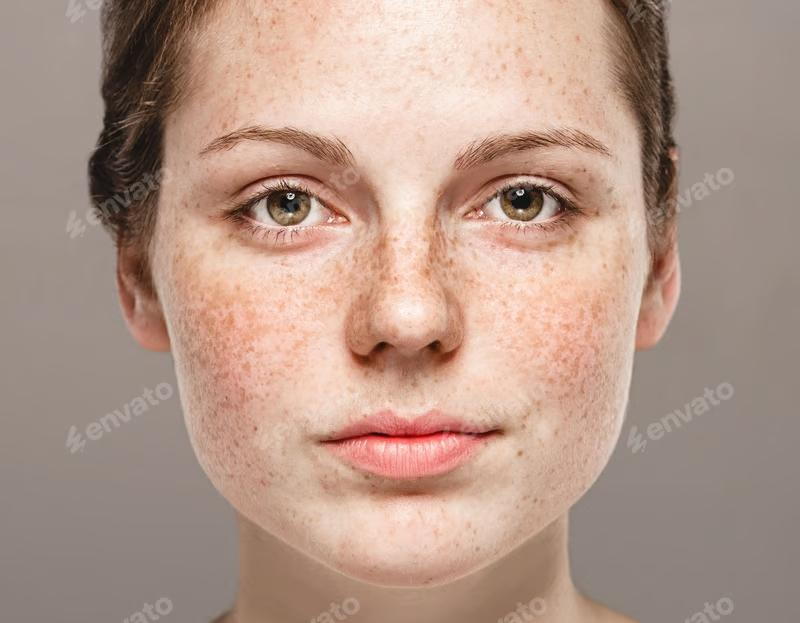
Persistent redness on the central part of the face, that is the cheeks, nose, forehead, or the chin,are the most common manifestation of rosacea. This red may appear as a blush or sunburn which does not seem to go away.
Initially you may realize your face flushing red when exposed to triggers such as heat, spicy food or stress. With age, this redness may become more permanent as small blood vessels become dilated and remain that way.
An early sign of rosacea development may be an easily flushed or a prolonged reddening of the skin.
2. Visible Blood Vessels (Telangiectasia).
The telangiectasia is another early sign which is manifested by the presence of small, visible blood vessels under the skin. These reddish or purple fine lines are commonly present on the nose or cheeks and can become even more severe in case of further inflammation.
Although most people rule them out as broken capillaries, they are a sure sign of rosacea. Fortunately, laser treatment for rosacea is among the most effective treatments. These enlarged vessels are targeted by lasers which collapse them in a safe manner and enhance the skin tone and decrease redness.
3. Recurring Flushing and Burning Sensations.
Sensitivity can also be an early sign of rosacea in case you have an unpleasant burning, stinging, or warm feeling on your face, particularly when using skincare products, when exposed to the sun, or during exercise.
The skin sensitive to rosacea has a weakened barrier and highly reacts to temperatures and irritants. It is therefore very important to change to mild rosacea skincare, which can protect and soothe the skin instead of making it worse.
Shampoos that are recommended by dermatologists usually contain soothing agents like niacinamide, ceramides or green tea extract, created to manage inflammation and promote the strength of the skin barrier.
4. Rosacea Papules and Pustules (Small Bumps or Pimples).
As rosacea progresses, some individuals form little red spots or pustules of acne on the cheeks, chin, or on their forehead. This may be confused with adult acne, however, in contrast to acne, rosacea bumps lack blackhead and may occur alongside persistent irritation and redness.
Targeted rosacea medications respond well to such inflammatory conditions and can include topical applications (metronidazole, azelaic acid, or ivermectin) or oral antibiotics to minimize inflammation.
In case you are not certain about whether your breakouts are acne, or rosacea, a dermatologist will be able to diagnose and recommend to you the most effective course of treatment.
5. Eye Irritation (Ocular Rosacea)
A lot of individuals often get shocked to learn that rosacea does not just affect the skin but sometimes it can also affect the eyes. Symptoms may include redness, dryness, itchiness, or gritty sensation in the eyes, in this case symptoms may appear before onset of symptoms on the face.
In a case where your eyes are often irritated, eyelids are swollen or red, consult your dermatologist or eye doctor. Through early treatment, it is possible to avoid persistent discomfort and harm.
6. Thickened Skin (Particularly on the Nose).
Years of untreated rosacea, the skin, especially the one surrounding the nose, may thicken and even become bumpy. This is a condition referred to as rhinophyma and it is more common in men and is caused by chronic inflammation and overgrowth of the tissue.
This may not be one of the initial symptoms,however, this may be prevented in the future by treating rosacea early. Laser treatment for rosacea and other dermatologic surgeries is able to smoothen and replenish the natural look of the skin.
7. Increased Sensitivity to Skincare Products.
When your normal moisturizers, cleansers or even makeup begin stinging or causing redness, then the barrier of your skin may be compromised, a symptom of rosacea-prone skin.
To recover comfort, switch to rosacea skincare targeting sensitive skin. Look for fragrance-free, alcohol-free, as well as all-hypoallergenic formulas. Your dermatologist may prescribe medical grade skincare products that help reduce inflammation and protect your skin in the long term.
Understanding Rosacea Triggers
The key to managing rosacea is to identify causes of its flare-ups. Common triggers include:
Sun exposure
Hot weather or wind
Anxiety and stress
Caffeine, spicy foods or alcohol.
Saunas or hot baths
Harsh skincare products
Having a rosacea diary about when your flare-ups happen and what you were exposed to,can help identify your triggers and in its daily management.
Modern Rosacea Treatments Alternatives.
The good thing is that modern advanced dermatologic care allows proper rosacea treatment in Houston. At Heights Dermatology, we tailor a unique rosacea treatment plan for each patient, based on the skin type, triggers, and the severity of the condition.
The best approaches we use are:
Laser Therapy for Rosacea
One of the most appropriate approaches towards the reduction of redness and visible blood vessels is laser and light-based therapies. The effect of these treatments is that they target and shrink dilated blood vessels under the skin, and as such, the skin becomes clear and smooth, and the downtime is minimal.
The lasers commonly used are the pulsed dye lasers (PDL) and intense pulsed light (IPL) therapy. Patients tend to notice some drastic changes in both texture and comfort after a sequence of sessions.
Rosacea Medications
Topical treatments such as metronidazole, azelaic acid, or ivermectin, can be prescribed by your dermatologist and help in soothing inflammation and controlling redness depending on your symptoms.
In the case of more serious cases, oral antibiotics such as doxycycline may be prescribed to ease flare-ups and regain balance.
Rosacea Skincare Routine
Daily skincare is important in treating rosacea. The skincare agents that we recommend to protect your skin barrier are mild cleansers, soothing moisturizers and mineral based sunscreens. Do not use harsh scrubs, chemical exfoliant and fragrances, which will worsen irritation.
When to See a Dermatologist
Once you notice any of these initial rosacea symptoms, do not delay until the symptoms aggravate. The importance of early intervention is avoiding permanent redness or visible blood vessels. A professional dermatologist is able to provide the diagnosis and develop an individualized plan that would help you to effectively manage your rosacea.
Make the First Move Towards Clearer, Smoother Skin.
At Heights Dermatology, we have the best team that handles rosacea diagnosis and treatment through the use of advanced technology and caring services. Do you need laser treatment to manage your rosacea, assistance in the selection of the appropriate rosacea skincare or tailored rosacea medications, we are ready to assist you in getting your skin healthy, radiant once more.
Have your own unique rosacea plan and get back to your glowing skin, by contacting Heights Dermatology in Houston today.