Actinic Keratosis and Its Link to Skin Cancer
- posted: Oct. 31, 2025
When it comes to learning how to protect your skin against the sun most of us consider sunburns and wrinkles. But there is another, much more serious potential consequence of long-term sun exposure that is likely to go unnoticed, actinic keratosis (AK). This common skin condition may begin as a rough scaly patch but over time can turn into something worse, skin cancer. Understanding the link and getting adequate skin cancer treatment in Houston are deciding factors for your long term health.
What Is Actinic Keratosis?
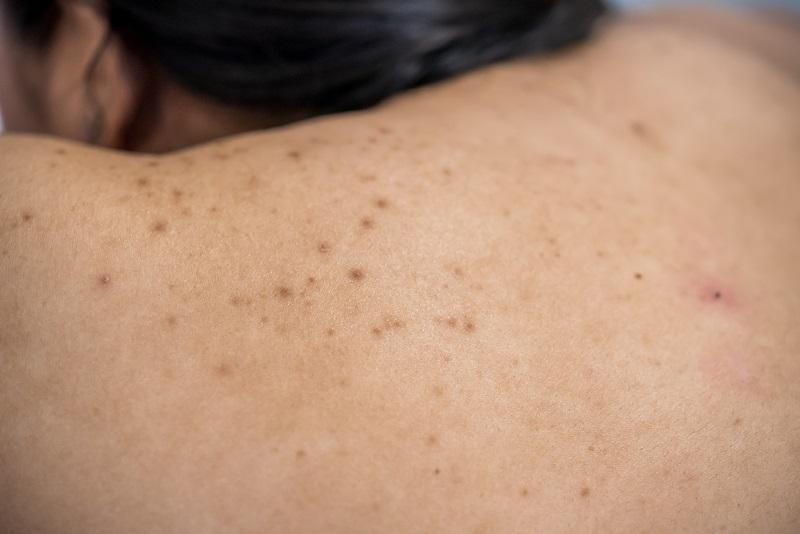
Actinic keratosis (also called solar keratosis) is a hard, dry, or scaly patch that appears on areas of skin commonly exposed to the sun such as face: scalp, ears, neck, forearms, hands. These lesions are typically small-in size ranging from a few millimeters to an inch or two in diameter and can be red, pink, tan or even skin colored.
Often they are more experienced than they are visible and, of course, can be confused with dry skin or eczema. However, unlike ordinary dry skin, actinic keratoses continue to persist and with time may thicken or become crusty.
The Development of Actinic Keratosis.
The main cause for development of actinic keratosis is long-term exposure to ultraviolet (UV) radiation from the sun or tanning bedrooms. UV rays cause damage to the skin cells and consequently cause mutation in their DNA. Over time, this damage goes on piling up, particularly in people with fair skin or light eyes or who have had frequent sunburns. Those exposed to the sun for long periods, either for work or physical activity are more at risk.
While actinic keratosis itself is not cancer it is considered to be precancerous. If not treated early, there is always a risk for it to develop into a type of skin cancer, squamous cell carcinoma (SCC).
The Connection Between Actinic Keratosis and Skin Cancer
Studies have demonstrated that in about 10% of the cases, the actinic keratoses will eventually develop into squamous cell carcinoma, which is one of the most common forms of skin cancers. This progression tends to take place over a time period of years, but it can take place more rapidly in certain individuals.
Actinic keratosis serves as a warning sign, an indication that your skin has been damaged by the UV rays to the extent that you could develop skin cancer. For this reason, dermatologists recommend monitoring and early treatment of AKs, instead of waiting until they become cancerous.
Early diagnosis and future management are valued at Heights Dermatology. Identification and removal of precancerous lesions to prevent the necessity for more invasive skin cancer surgery at a later time.
Understanding Signs of Actinic Keratosis.
Actinic keratosis can appear in different forms. Some of the common symptoms are as follows:
Patches that appear like sandpaper,are rough, and on skin areas which have been exposed to the sun.
Dry, scaly, or crusty parts that do not heal.
Discoloration, red, pink, or brown spots.
A burning or itching feeling of the affected area.
Pain or tenderness when touched
In case you find any of these symptoms, it is best to make an appointment with a dermatologist. A simple looking rough area may actually be an early sign for a serious condition.
Procedures Used to Treat Actinic Keratosis
The good news is that Actinic keratosis can successfully be treated before it develops into skin cancer. Depending upon the size, location and number of the lesions, your dermatologist may recommend the following one or more skin cancer treatment and therapy options:
Cryotherapy (Freezing)
One of the most common treatments used to treat actinic keratosis is freezing with liquid nitrogen. Extreme cold kills abnormal cells which are eventually replaced by healthy skin.
Topical Medications
Prescription creams or gels like fluorouracil, imiquimod, diclofenac can help treat multiple lesions at once, by stimulating the body's own immune response to kill pre-cancerous cells.
Photodynamic Therapy (PDT)
This technique uses the application of a photosensitizing agent within the affected area which is activated using a special light. The reaction kills abnormal cells but not the surrounding healthy tissue.
Laser Therapy and Chemical Peels.
In some cases, dermatologists may have to use chemical solutions or lasers to remove the damaged skin layers and help better growth of new healthy skin.
Surgical Removal
Surgery excisional is recommended when lesions appear thick or suspicious of skin cancer.This not only removes the abnormal tissue, but will also allow biopsy confirmation of malignancy.
When Actinic Keratosis Turns into Skin Cancer
If an actinic keratosis turns into squamous cell carcinoma, it is important to intervene as early as possible. Squamous cell carcinoma can grow deep in the skin and in rare cases can spread to other parts of the body.
At Heights Dermatology, the team provides state-of-the-art treatment options for skin cancer including Mohs surgery used for skin cancer treatment, which is an extremely accurate method of removing tumor tissue layer by layer and does the least amount of damage to normal tissue.
What is Mohs Surgery For Skin Cancer?
Mohs surgery is considered as the best treatment for some types of skin cancer, especially those which occur on cosmetic or functional sensitive areas of the body such as the face, ears, or hands. During this procedure:
A thin section of cancerous tissue is removed through surgery.
Tissue culture analysis is carried out using a microscope in real time.
If any of the cancer cells remain, another thin layer is removed.
This process continues till there are no more cancer cells.
The result is maximum degrees of cancer removal with relatively minimum scarring, making the Mohs surgery highly effective as well as cosmetically favorable.
At Height Dermatology our experienced specialists are skilled in carrying out Mohs surgery for skin cancer. The team ensures that patients are fully cared for from the time of their skin cancer diagnosis to their recovery.
Prevention
Actinic keratosis prevention and the fight against skin cancer begins with protecting your skin from UV damage. The following steps will help you minimize your risk:
Always wear an SPF 30+ sunscreen every day.
Avoid sun tanning beds, limit unprotected sun exposure when it is between 10 a.m. and 4 p.m.
It is recommended to wear protective clothing, hats and sunglasses.
Visit a board-certified dermatologist for an annual skin check.
Keep careful watch for new or changing spots on your skin.
Even with these precautions, it is important to get a regular check up done by a dermatologist. Early detection is best for the diagnosis and to prevent minor lesions from becoming serious skin cancers.
Why Choose Heights Dermatology for Your Skin Cancer Treatment.
At Heights Dermatology, it is our mission to provide expert care for each of our patients. Whether you are dealing with actinic keratosis, need skin cancer therapy or skin cancer surgery, our team offers a combination of advanced technology and compassion to get the best outcomes.
We specialize in the diagnosis and treatment of many skin conditions ranging from pre-cancers to complicated conditions requiring Mohs surgery for skin cancer. With our expertise,your skin health is in the best hands.
Get Control of Your Skin Health Today
Should you notice any rough patches, irregular spots or areas that will not heal on your skin contact us today at Heights Dermatology for your consultation. Early diagnosis and treatment can help prevent malignant transformation of the actinic keratosis and help maintain your skin health for years.
Contact Heights Dermatology today, to book for your skin cancer screening appointment or to see a dermatologist. Your skin deserves to be taken care of by professionals, and that is what we provide.