What Vitamin Deficiency Causes Rosacea?
- posted: Oct. 10, 2025
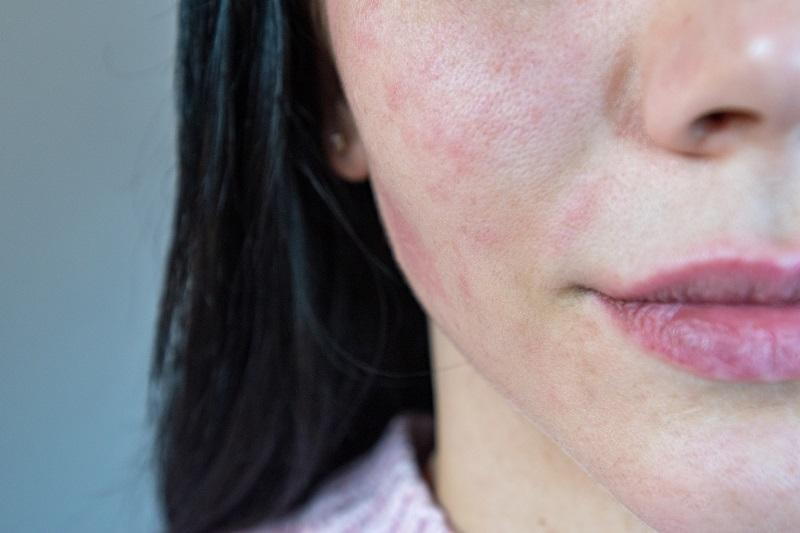
Rosacea is a chronic skin condition which affects millions of people across the globe and the condition tends to leave the face with reddish color, open blood vessels, and tiny bumps. Its etiology is not fully understood, but lately, there is some evidence that nutritional determinants (vitamin deficiencies in particular) may be a significant cause of rosacea or worsening of symptoms.
At Heights Dermatology, we understand how irritating it is to experience persistent redness and irritation. We will explore how vitamin deficiencies can contribute to rosacea, and how you can modify your diet, skincare and prescription medicine to restore the wellness and self-worth of your skin.
Understanding Rosacea
Rosacea is a long term inflammatory condition, and it appears on the cheeks, nose, forehead, and the chin. It typically begins with the flushing or blushing episodes, which becomes chronic in the long run. Common symptoms include:
Persistent facial redness
Visible blood vessels
Acne-like bumps or pustules
Feelings of burning or stinging.
In more extreme cases thickened skin.
Rosacea is not a life-threatening condition; nevertheless, it may have a significant effect on the quality of life and self-esteem. Every person has various triggers and it may be sun exposure, stress, alcohol, spicy foods or certain skincare products. One unknown reason, though, can be the reason for severity of rosacea which is the absence of vitamins.
The Vitamin Deficiency and Rosacea Relationship.
Vitamin B deficiency (Specifically, B2, B3 and B6)
The B vitamins play a role in maintaining a healthy skin since they help in enhancing the renewal of the skin cells, and control of the oils as well as inflammation of the skin. Deficiency of B vitamins, in particular, vitamin B2 (riboflavin), B3 (niacinamide) and B6 (pyridoxine) has been linked with worsening rosacea symptoms.
Vitamin B2 (Riboflavin):
The riboflavin deficiency can lead to the inflammation and erythema of the skin in the area of the mouth and nose that is similar to the symptoms of rosacea.
Vitamin B3 (Niacinamide):
Niacinamide is known to enhance the anti-inflammatory effect, as well as make the skin barrier stronger. Redness and skin irritation are experienced at low levels.
Vitamin B6 (Pyridoxine):
The result of vitamin B6 deficiency can cause dermatitis that appear as rashes and skin sensitivity, which is a common rosacea symptom.
Oral or topical Niacinamide is another widely accepted first line of recommendation by most dermatologists in the management of rosacea as it has a soothing and anti-inflammatory effect.
Vitamin D Deficiency
Vitamin D is also known as the sunshine vitamin that is known to enhance the immune system and skin barrier. Studies have shown that the level of vitamin D in people with rosacea is low as opposed to others who do not suffer from rosacea.
The lack of vitamin D can increase the rate of production of inflammatory proteins on the skin that could contribute to flare-ups and reddening. On the other hand excess vitamin D from unprotected sun exposure can irritate rosacea due to UV damage, therefore balance needs to be taken into consideration.
It is possible to regain the balance through taking vitamin D supplements (or eating foods with abundant vitamin D or dairy products fortified with vitamin D like salmon, eggs, and fortified milk).
Vitamin A Deficiency
Vitamin A is involved in normal cell regeneration of the skin and repair. Its shortage can result in dry, flaky, and puffy skin, symptoms which resemble rosacea.
Retinoids are used as a dermatologic agent; in acne and anti-aging, derived from vitamin A. In rosacea patients, they must be carefully applied in a low concentration since high concentrations of these retinoids may induce irritation on the sensitive skin.
Food sources of vitamin A may contain foods such as carrots, sweet potatoes, spinach, and liver which is one of the best ways of nourishing your skin naturally.
Zinc Deficiency and Antioxidant Deficiencies.
Zinc is not a vitamin, however, it is a very essential mineral to the skin that enhances healing and inflammation. The zinc deficiency has also been observed in the rosacea patients which can be linked with the occurrence of the condition.
Vitamin C and Vitamin E are also antioxidants that inhibit oxidative stress of the skin cells as well which can lead to an increase in inflammation and redness. Diets that are rich in antioxidants are one of the ways of making sure that the skin is healthy overall.
The Vitamin Deficiency Implication on Other Conditions Beyond Rosacea.
Despite the fact that vitamin deficiencies could be one of the causes of rosacea, it can also worsen the other skin related conditions such as eczema and atopic dermatitis.
The management of eczema and treatment of atopic dermatitis are commonly directed to the restoration of the skin barrier, and it is a task that is best handled with the assistance of vitamins A, D, and E with great success.
The skin will be hydrated and flare ups reduced with the help of proper eczema-care using nutrient-enriched moisturizers.
Eczema treatment for children may be addressed with the intervention of mild cleansers, fragrance-free products, and nutritional support to strengthen the growing skin in the case of younger patients.
Board-certified dermatologists in Heights Dermatology are quite comprehensive in their approach to treating skin health meaning they are looking at the exterior as well as the interior like nutrition, lifestyle, and choice of skincare.
The Prevention or Management of Vitamin Deficiency-Related Rosacea.
Balanced Diet
Combine nutritious foodstuff (vitamin A, B, C, D and E). Some good examples of skin-boosters are:
Leafy greens (spinach, kale)
Fatty fish (salmon, mackerel)
Eggs and dairy
Whole grains
Bright colored vegetables and fruits.
Targeted Supplementation
In other instances, diet cannot do everything and therefore your dermatologist can prescribe supplements. However, self-medication should be avoided in that when an individual takes in excess amounts of certain forms of vitamins (like vitamin A) it has adverse effects.
Customized Skincare Plan.
Reducing irritation is possible by the assistance of fragrance-free moisturizers, sun protection, and mild cleansers.A dermatologists can prescribe products to use on the sensitive prone skin or rosacea.
Professional Treatments
Treatment could be done through:
Topical medication (metronidazole, azelaic acid or ivermectin)
Laser therapy as a reduction method of redness and visible blood vessels.
Oral antibiotics for anti-inflammatory advantages.
At Heights Dermatology, we create a Houston rosacea treatment plan based on our patients' needs and skin sensitivity.
When to See a Dermatologist
If you experience persistent flushing, redness or acne-like bumps, and are not responding to the over-the-counter drugs, then it is high time you see a dermatologist. Before the flare-ups are severe, timely diagnosis and treatment of the person should be carried out.
Your dermatologist can also help in finding a vitamin deficiency that might be causing the symptoms by simply doing a simple blood test and evaluation of diet.
Take Control of Your Skin Health with Heights Dermatology
Rosacea is challenging, however with proper care and diet one can have clearer and calm skin. Addressing potential vitamin deficiencies, skincare, and medical guidance can be your savior in managing your symptoms.
Heights Dermatology is a team of qualified experts who take care of patients who have more complex skin conditions including rosacea, eczema, atopic dermatitis. You might need personalized eczema treatment,expert advice on eczema skincare, or eczema treatment for children with soothing care. We are always available to assist the entire family to take better care of their skin.
Contact Heights Dermatology to make your appointment and discover personalized approaches to balanced and radiant skin.