Identifying Different Types of Dermatitis
- posted: Jun. 27, 2025
Dermatitis covers a group of conditions that all have inflamed skin in common. If redness, itchiness, flaking, or swelling of the skin has ever affected you, you may be experiencing a kind of dermatitis. Because there are various forms of dermatitis, it is not easy to tell which one you have or how to deal with it.
Our dermatologists are trained to handle and treat every kind of dermatitis, and they provide rosacea treatments in Houston best for your unique skin needs . In this blog, we will explain the most familiar forms of dermatitis, their symptoms, what leads to them, and how we can help you for the long term.
What Is Dermatitis?
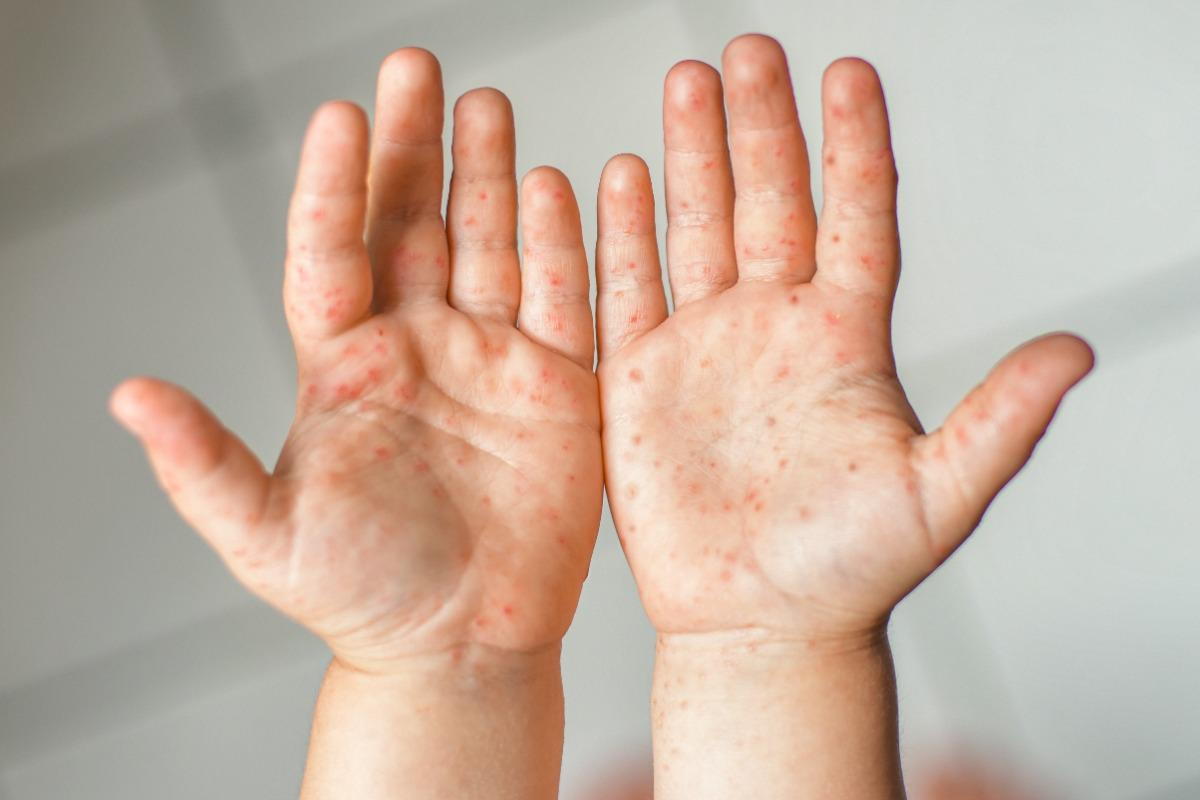
Dermatitis describes a skin condition that shows itself with symptoms like redness, swelling, itching, and blisters. Commonly, it is caused by allergens, environmental factors, or genes. Even though most cases are not serious, not treating dermatitis may greatly impact your day-to-day life.
Proper handling of dermatitis depends on giving the correct diagnosis and matching the appropriate treatment to the patient. Below, we will look into the common types of dermatitis and learn how you can identify them.
1. Atopic Dermatitis or Eczema.
Atopic dermatitis is the most frequent kind of eczema and it is commonly linked to asthma, hay fever, or allergies in the family or personal
Symptoms:
Skin that is dry and covered by white or gray scales
Strong itching that happens mostly at night
Inflamed skin that is red
The constant scratching leads to thick skin or develops cracks over time
Common Locations:
Elbows, knees, neck, and face.
Infants get red cheeks and scalp conditions.
Triggers:
Cold weather
Soaps and detergents that are very strong
Allergens such as pet dander or pollen
Stress
Treatment:
We provide various treatments at Heights Dermatology, including using topical prescriptions creams, recommending healthier habits, and helping people with the most severe cases through biologic medications
2. Contact Dermatitis
Direct contact with an irritant or an allergen brings about this type of dermatitis.
There are two primary types.
Soaps, detergents, and solvents are the main causes of Irritant Contact Dermatitis.
Allergic Contact Dermatitis, which is allergic in nature, occurs when you have contact with nickel, fragrances, or poison ivy.
Symptoms:
Red marks on your skin
Itching or burning feelings
Sometimes, in severe cases blisters or weeping sores develop.
Diagnosis:
Patch testing can show which allergens are responsible for your condition.
Treatment:
It is standard practice to stay away from the things that trigger eczema and use creams or antihistamines as needed. Our dermatologist will help you come up with strategies that reduce the chances of flare-ups over time.
3. Seborrheic Dermatitis
The skin regions with many oil glands are usually affected by seborrheic dermatitis.
Symptoms:
Yellowish and greasy-looking scales found on the scalp commonly known as dandruff
Symptoms show as redness and flaking on the nose, above the eyes, around the ears, and on the upper chest
Which People are at Risk?
Cradle cap mainly affects infants.
People who have oily skin
People who have conditions such as Parkinson’s or HIV
Treatment:
Medicated shampoos, prescribed antifungal creams, and topical corticosteroids can treat these conditions.
The team can design a personalized treatment plan depending on your individual case and the type of skin you have.
4. Nummular Dermatitis
On the skin, nummular dermatitis appears as round rashes that sometimes are mistaken for ringworm.
Symptoms:
There are round lesions that are often itchy.
Spots that look oozing or have a crust
Scaling and dryness on the perimeter of the affected area
Causes:
Dry skin
Skin injuries
Allergic reactions
Treatment:
Doctors commonly use moisturizers, corticosteroids, and only apply antibiotics when secondary infection is present. From finding the right test for the condition to clearing the skin, the team designs a special plan for each patient.
5. Perioral Dermatitis
A kind of facial rash that is known to affect women who are between 20 and 45 years old.
Symptoms:
Red, small bumps around the mouth and eyes
Scratching or burning
The skin has become dry or flaky.
Triggers:
Using topical steroid creams on the skin
Toothpaste that has fluoride
Hormonal changes
Treatment:
The use of antibiotics either orally or as creams, based on your dermatologist’s advice and stopping topical steroids.
6. Rosacea( Commonly Confused with Dermatitis)
Rosacea is not part of the dermatitis group, but the condition’s appearance can cause healthcare professionals to diagnose it incorrectly as dermatitis. You should be able to identify rosacea or dermatitis because each condition needs different treatment.
Symptoms:
A reddened face that mainly occurs on the cheeks, nose, and forehead
Blood vessels are easy to spot, as they are very visible on the skin.
Bumps or pimples that look like acne
Irritation of the eyes resulting from ocular rosacea
Triggers:
Sun exposure
Meals that are spiced or hot.
Alcohol
Stress
Extreme temperatures
Treatment:
Rosacea treatment in Houston is possible with options offered by Heights Dermatology.
Topical medications such as metronidazole and azelaic acid
For cases that are more serious, appropriate oral antibiotics are prescribed.
Laser therapy for the purpose of decreasing redness and visible blood vessels
Specially chosen treatments to lower the risk of flare-ups and discomfort
Importance of Getting Accurate Diagnosis
Sometimes, it is very challenging to tell dermatitis apart from other skin conditions such as psoriasis, infections from fungus, or rosacea. Incorrect diagnosis can result in the wrong treatments that worsen your condition.
At our practice, we use our medical experience and advanced testing equipment to determine the particular condition with your skin. Whether you are dealing with contact dermatitis or have symptoms of rosacea, we give you helpful solutions that promote the long-term well-being of your skin.
When Should you See a Dermatologist
You should consult a dermatologist when:
Your problems have not gone away even after using over-the-counter drugs.
The area affected by the rash grows fast and starts hurting.
You develop certain signs of infection including pus, fever, or swelling
You cannot decide if your skin issues are dermatitis, rosacea, or any other skin condition
If treatment begins early, the results are usually better, the risks are lower, and the plans are more successful.
Contact Us to Begin Skin Treatment.
Should you notice an ongoing problem of irritation or redness in your skin, make sure to discover the source right away. Effective treatment of eczema, contact dermatitis, or rosacea depends on getting a proper diagnosis first. At Heights Dermatology, we have experts who care about your health and aim to discover the reason behind your skin condition and create a treatment plan just right for you.
Schedule your consultation as soon as possible and begin the process toward better, healthier skin. Call us or go online and make your appointment today.