How to Manage Eczema Flare-Ups
- posted: Apr. 19, 2025
Eczema, or atopic dermatitis, is a long-standing inflammatory skin condition characterized by redness, inflammation, and severe itching. It affects millions of people across the world, with flare-ups occurring for all sorts of reasons, from environmental causes to stress. If you suffer from eczema, you understand how irritating and painful these flare-ups can be. But with an effective approach, you can keep eczema in check and decrease the occurrence and intensity of these flare-ups. Throughout this blog, we will cover effective tips to manage eczema flare-ups and guide you on your way to healthier, smoother skin.
Understanding Eczema and its Flare-ups
Before discussing management of an eczema flare-up, it is first important to understand what eczema is. Eczema is caused by a weakened protective layer on the skin that allows irritants, allergens, and bacteria to penetrate through to get to the underlying tissues. This leads to the symptoms that characterize eczema: dryness, itchiness, redness, inflammation, and blistering or scabbing.
Eczema flare-ups are caused by a number of reasons that involve:
Environmental irritants: Cold, dry environments, strong soaps, or irritating fabrics such as wool.
Allergens: dust mites, pollen, pet dander, or foods.
Stress: Stressful situations often make eczema worse
Infections: Bacterial, viral, or fungal infections are known to induce flare-ups.
Hormonal fluctuations: Changes in hormones, such as with menstruation or pregnancy, could play a role in exacerbating attacks.
Heat and sweat: Sweating due to physical exercise or warmth may dry or irritate the skin.
Control of eczema flares involves a mix of changes in your way of life, skincare practices, and preventive strategies. Let us examine how you can take care of your eczema and reduce flares.
1. Follow a Consistent Skincare Routine
A good skincare routine is vital for controlling eczema. What you want to do is keep your skin moisturized, decrease inflammation, and stay away from irritants. This is how you can assemble an efficient skincare regimen:
a) Delicate cleaning
Use a mild, fragrance-free cleanser to clean your skin. Avoid cleansers with alcohol, dye, or synthetic fragrances, which may irritate eczema-prone skin. Use a gentle moisturizing cleanser to cleanse dirt from your skin without stripping it of its own oils.
b) Regular moisturizing
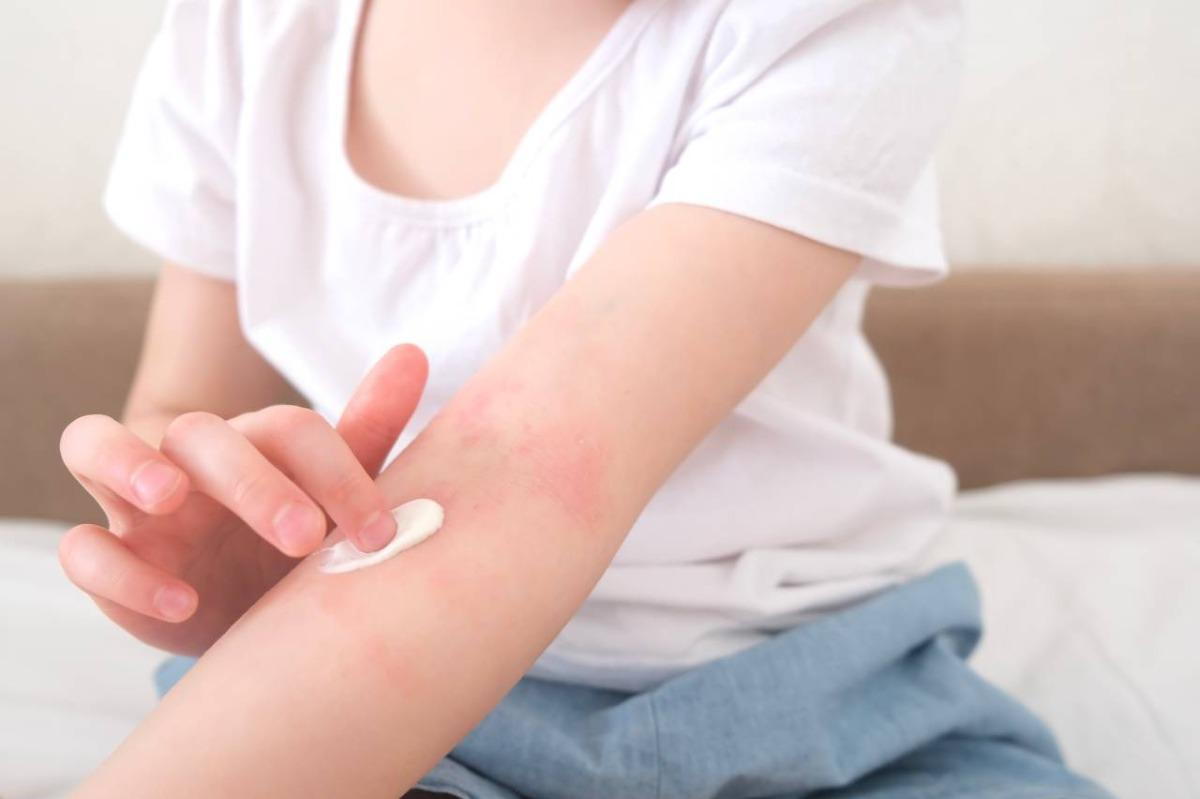
Moisturizing is perhaps the most important action in treating eczema. Use a thick, unscented moisturizer shortly after a bath when your skin is still damp. It will help to trap in moisture and nourish your skin's natural protective layer. Use products with ceramide, hyaluronic acid, or petrolatum, which retain water content and protect your skin.
Instead, use ointments or creams since these are generally better moisturizers that help lock in moistness.
c) Avoid hot showers
Hot water will only dry your skin further, worsening eczema. Use lukewarm showers that last 10-15 minutes. Pat dry your skin with a towel after the bath, rather than rubbing it.
2. Identify and Avoid Triggers
Everyone's eczema is different, and their triggers can be just as varied. Tracing what causes your own flare-ups can be extremely valuable. Some of the main eczema causes and what to do about them are mentioned below:
a) Environmental Irritants
Cold, dry air can dry out your skin, contributing to eczema breakouts. Use a humidifier in your home in colder months to humidify the air. During warmer months, stay cool and do not overheat.
Some fabrics, such as synthetic or wool, may irritate sensitive skin. Wear softer, breathable clothing such as cotton, and avoid tight clothing that rub against the skin and cause irritation.
b) Allergens
Allergens such as pollen, pet dander, or dust mites can trigger eczema. Minimize exposure if you are allergic to these substances. Daily cleaning, dust mite covers on pillows and mattresses, and keeping out pets from certain areas at home can help keep allergen levels under control.
c) Food sensitivities
In some instances, eczema flare-ups are caused by food allergies or sensitivities. Culprits often involve foods such as dairy, eggs, and nuts. Maintenance of a food diary with assistance from an allergist or dermatologist to identify potential foods will facilitate management of flare-ups.
3. Take Medications as Directed
In some people with severe eczema, medications are required to keep flare-ups under control and decrease inflammation. Your dermatologist can prescribe topical medications like corticosteroid creams or non-steroidal anti-inflammatory creams. These medications will decrease redness and swelling, and are usually applied when there is a flare-up.
Also, oral medications such as immunosuppressants or antihistamines can be prescribed if necessary to help with itching and inflammation. It is advisable to use medications according to your doctor’s advice to prevent side effects and maximize their efficacy.
4. Minimize Stress and Use Relaxation Techniques
Emotional stress is a known eczema trigger. When we feel stressed, our bodies release inflammatory chemicals that make eczema worse. By controlling stress with relaxation, flare-ups are reduced, and overall health is improved.
Incorporate practices that reduce stress such as:
Yoga or meditation to unwind your body and mind.
Breathing exercises to reduce anxiety and stress.
Exercise regularly to enhance your mood and overall health.
Taking care of your mental health will help decrease eczema flare-ups and improve overall quality of life.
5. Opt for Light Therapy (Phototherapy)
If topical medications and changes in your way of life are not sufficient to treat your eczema, light therapy or phototherapy may be considered. In phototherapy, UV light is exposed to your affected skin under a doctor's guidance. It can decrease inflammation and alleviate eczema symptoms. Talk with your dermatologist to find out if this treatment is appropriate for you.
6. Stay Hydrated and Follow a Healthy Diet
Dehydration is a major contributing factor in dry, irritated skin. Drinking water all day long will provide hydration from the inside out that can prevent dryness and irritation. Eating a healthful diet with abundant vitamins, antioxidants, and essential fatty acids will also nourish your overall health, which includes your skin. Choose foods like:
Omega-3 fatty acids (in foods such as salmon or flaxseed)
Foods that are high in Vitamin E ( leafy greens, seeds, nuts)
Zinc-containing foods (such as legumes, nuts, and whole grains)
7. Talk to Your Dermatologist
Eczema is a chronic process that requires ongoing management, and sometimes it may be hard to identify the appropriate regimen that is right for you. When you have recurrent breakouts or difficulty managing your eczema, a dermatologist in Houston should be consulted. Heights Dermatology can assist you in creating a tailored skincare regimen, determining any trigger factors, and suggesting solutions that can assist you in properly managing your eczema.
Tackling eczema flare-ups demands an overall approach involving appropriate skincare, avoiding exacerbating factors, stress management, and, in certain cases, medications or light therapy. By employing appropriate tools and techniques, you may drastically decrease flare-ups and enjoy smooth, comfortable skin.
If you are finding it difficult to cope with eczema or require professional advice on controlling eczema, do not hesitate to make an appointment with our staff at Heights Dermatology. We can assist you in finding relief from eczema and gaining control over your skin health. Let our skilled dermatologists at Heights Dermatology lead you on your path to healthier skin. You can call us or go to our website to schedule your appointment today.