Understanding Acne: Causes and Prevention
- posted: Mar. 29, 2025
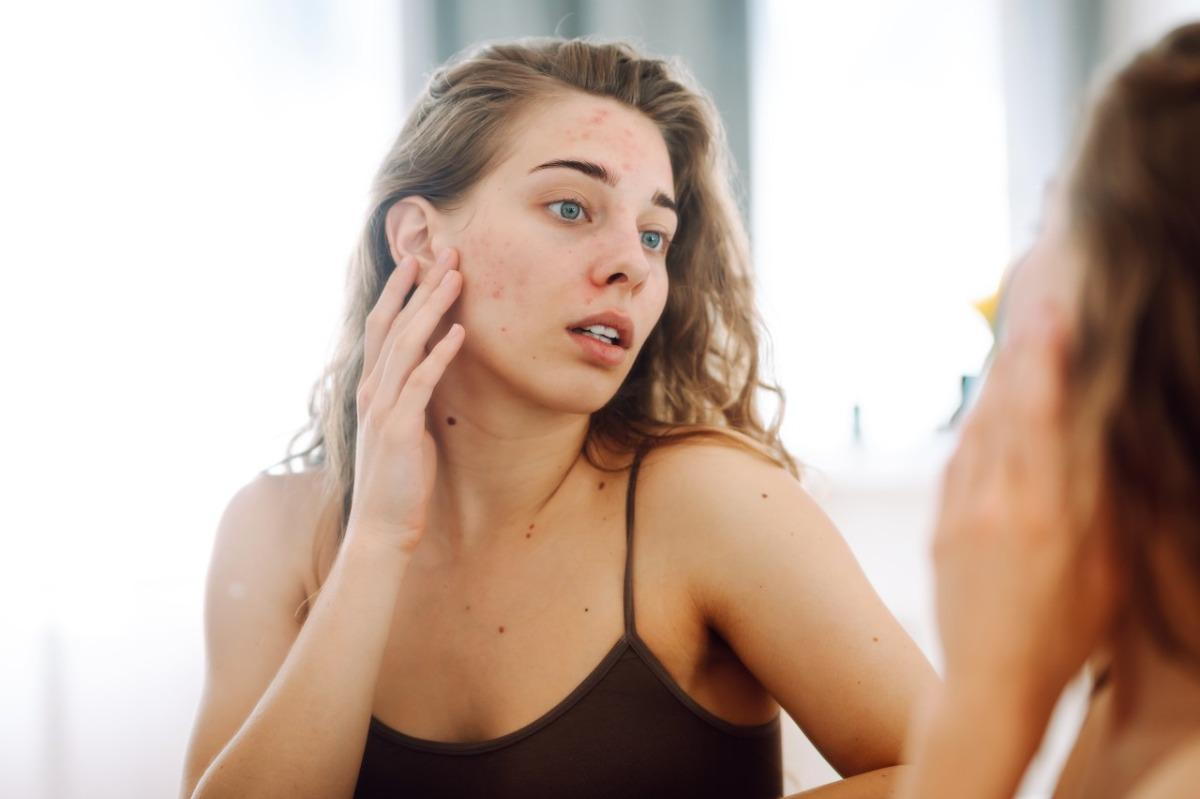
Acne is one of the most common skin conditions, impacting millions of people worldwide. Whether you are a teenager struggling with hormonal imbalances or an adult experiencing continued breakouts, acne can impact not just your appearance but your self-confidence as well. While acne is often considered a temporary problem, understanding what causes it and how to prevent it can lead to healthier skin and increased confidence.
At Heights Dermatology, we have learned that information is the key to effective acne management. In this blog, we will discuss the causes of acne, its prevention, and how dermatological treatment from an expert can set you on the road to healthier skin.
What Is Acne?
Acne is a skin condition that occurs when hair follicles become clogged with oil (sebum) and dead skin cells. It can result in whiteheads, blackheads, pimples, or cystic lesions. While acne is most likely to appear on the face, it can also occur on the chest, back, shoulders, and even the neck.
Acne can either be mild or severe and, if left untreated, may cause emotional distress. Understanding the causes of acne and how to prevent it ensures healthy skin.
What Causes Acne?
Acne is a multifactorial condition, meaning it can be the result of a combination of genetic, hormonal, and environmental factors. Let us look at the primary causes in greater detail:
1. Overproduction of Sebum
Your skin produces natural oils to moisturize and safeguard itself. However, when the sebaceous glands produce excess oil, it may mix with dead skin cells and clog pores, leading to acne.
Why It Happens:
Hormonal changes in puberty, menstruation, pregnancy, or menopause
Stress, which increases cortisol levels and oil production
Genetics, if your parents had acne, you are more likely to develop it
2. Clogged Pores
When the dead skin cells do not shed properly, they accumulate and block the hair follicles. Comedones (blackheads and whiteheads) and inflamed pimples then develop.
Why It Happens:
Improper cleansing of the skin
Using heavy, pore-blocking makeup or skincare products
Environmental pollutants that settle on the skin
3. Bacterial Growth
One of the naturally occurring forms of bacteria on your skin is Cutibacterium acnes (formerly called Propionibacterium acnes). Once trapped in the clogged pores, it rapidly multiplies, causing inflammation and creating red, inflamed pimples.
Why It Happens:
Lack of proper skin hygiene
Touching your face frequently
Sharing makeup or skincare tools
4. Hormonal Changes
Hormonal imbalances, specifically elevated androgen levels, can result in the enlargement of sebaceous glands and the secretion of additional oil.
Why It Happens:
Puberty and adolescence
Menstrual cycles and pregnancy
Hormonal medications like birth control
5. Dietary and Lifestyle Factors
Recent research shows that certain dietary and lifestyle factors can worsen acne.
Why It Happens:
High glycemic foods (e.g., sugar and refined carbs) can lead to breakouts
Dairy products, particularly skim milk, can increase inflammation
Stress and lack of sleep disrupt hormone balance
How to Prevent Acne
While certain of the causes of acne are beyond your control, forming correct habits can significantly reduce breakouts. The following are some effective preventive strategies:
1. Follow a Consistent Skincare Routine
Good skincare is the foundation of acne prevention. Adopt a daily skincare regimen that involves oil control, exfoliation, and moisturizing.
Your daily routine should include:
Gentle Cleanser: Wash your face twice a day with a gentle, non-comedogenic cleanser. Avoid using harsh scrubs, as they can irritate the skin.
Exfoliation: Use chemical exfoliants like glycolic acid or salicylic acid to remove dead skin cells and prevent pores from getting clogged.
Moisturizer: Apply oil-free, non-comedogenic moisturizers to maintain hydration in the skin without causing breakouts.
Sun Protection: Apply a broad-spectrum SPF 30 sunscreen daily to avoid post-inflammatory hyperpigmentation (PIH) of acne scars.
2. Avoid Pore-Clogging Products
Choose "non-comedogenic" or "oil-free" cosmetics and skin care products that will not clog pores. Remove makeup fully every night to prevent buildup.
3. Manage Stress Levels
Chronic stress also increases hormone levels that can cause breakouts.
Stress-Reducing Tips:
Practice yoga, meditation, or mindfulness
Ensure that you get 7-8 hours of sleep each night
Engage in regular physical activity
4. Eat a Skin-Friendly Diet
Limit processed food and sugar, and prioritize whole, nutrient-dense foods.
Acne-Friendly Foods Include:
Omega-3 fatty acids (salmon, flaxseeds) to reduce inflammation
Antioxidant-rich fruits and vegetables (berries, leafy greens)
Probiotics (kombucha, yogurt) to assist in gut-skin balance
5. Keep Your Hands Away from Your Face
When you touch your face, you deposit oil and bacteria from your hands onto your skin, leading to breakouts. Clean your phone screen with disinfectant regularly and change pillowcases weekly.
When to See a Dermatologist
If you have tried over-the-counter treatments without success, it is likely time to seek professional attention. A dermatologist in Houston can diagnose the cause of your acne and customize a treatment plan tailored to the needs of your skin.
Symptoms That You Need Professional Help:
Painful or cystic acne that is severe
Persistent acne despite proper skincare
Sudden adult-onset acne
Common Dermatological Treatments Include:
Topical Medications: Benzoyl peroxide, antibiotics, or prescription retinoids
Oral Medications: Antibiotics, hormonal treatment (e.g., birth control), or isotretinoin for severe cases
In-Office Procedures: Chemical peels, laser, or light treatment for acne and scarring
Why Receive Acne Treatment at Heights Dermatology?
At Heights Dermatology, we understand that each patient is different. Our board-certified dermatologists use the latest advances in acne therapy to offer personalized treatment for every skin type. Whether you are experiencing occasional breakouts or ongoing acne, we offer more than surface-level treatments.
Our comprehensive methodology includes:
Full skin checks
Personalized treatment plans
State-of-the-art acne and acne scarring technology
Contact Heights Dermatology in Houston Today.
You can have clear skin with the right care and advice from an expert. Do not let acne continue to control your life, schedule an appointment at Heights Dermatology today.
Ready to obtain healthy, glowing skin? Schedule your appointment today by reaching out to us and start on your path to pimple-free skin. You can call or visit our website today to book your appointment.